






Against Landmine Contamination
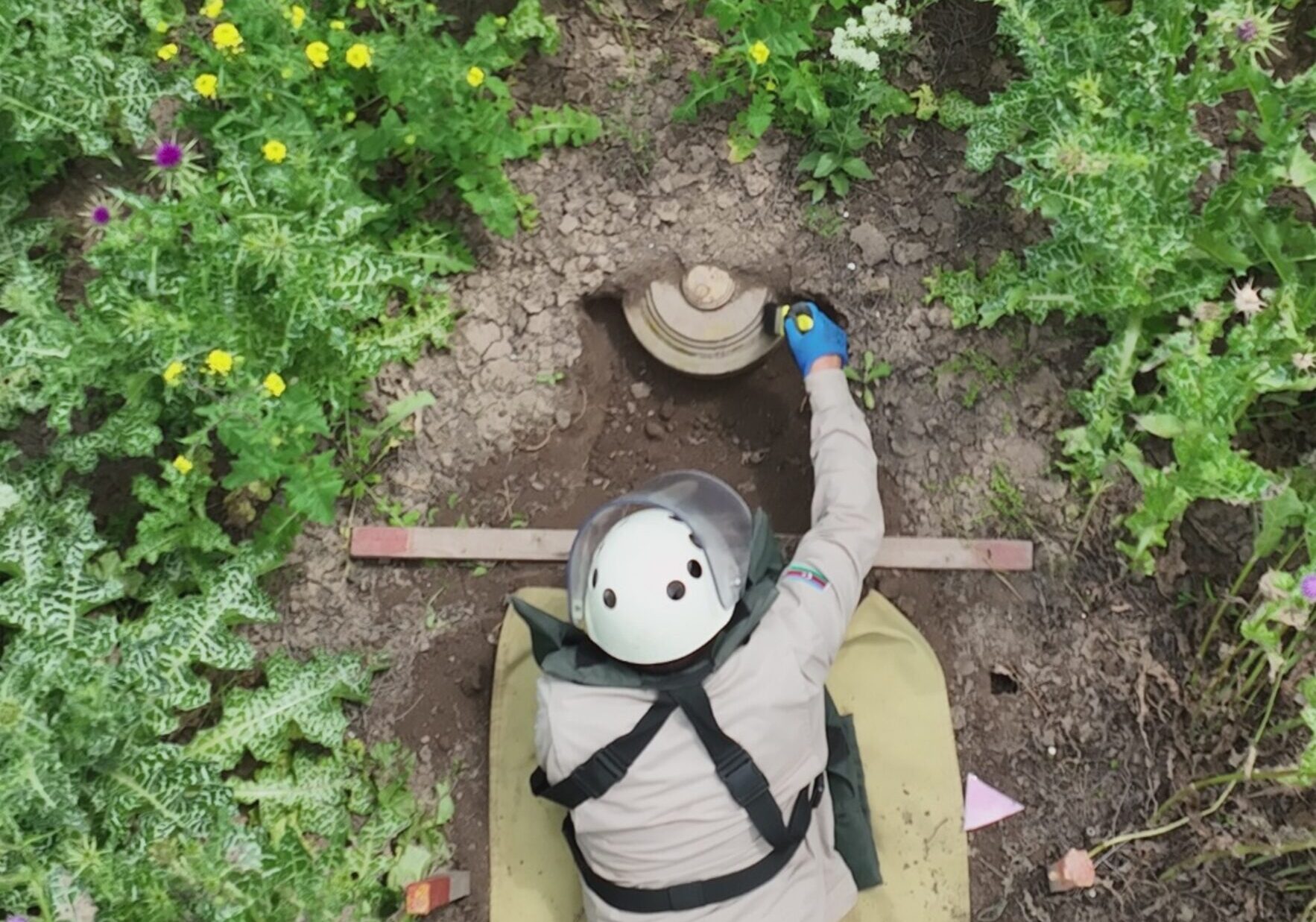
Nearly six years after the end of the Second Garabakh War, the liberated territories of Azerbaijan remain scarred by one of the most extensive landmine contamination crises in the world — a grim inheritance of almost three decades of Armenian occupation that continues to claim lives, obstruct reconstruction, and delay the safe return of hundreds of thousands of displaced families.
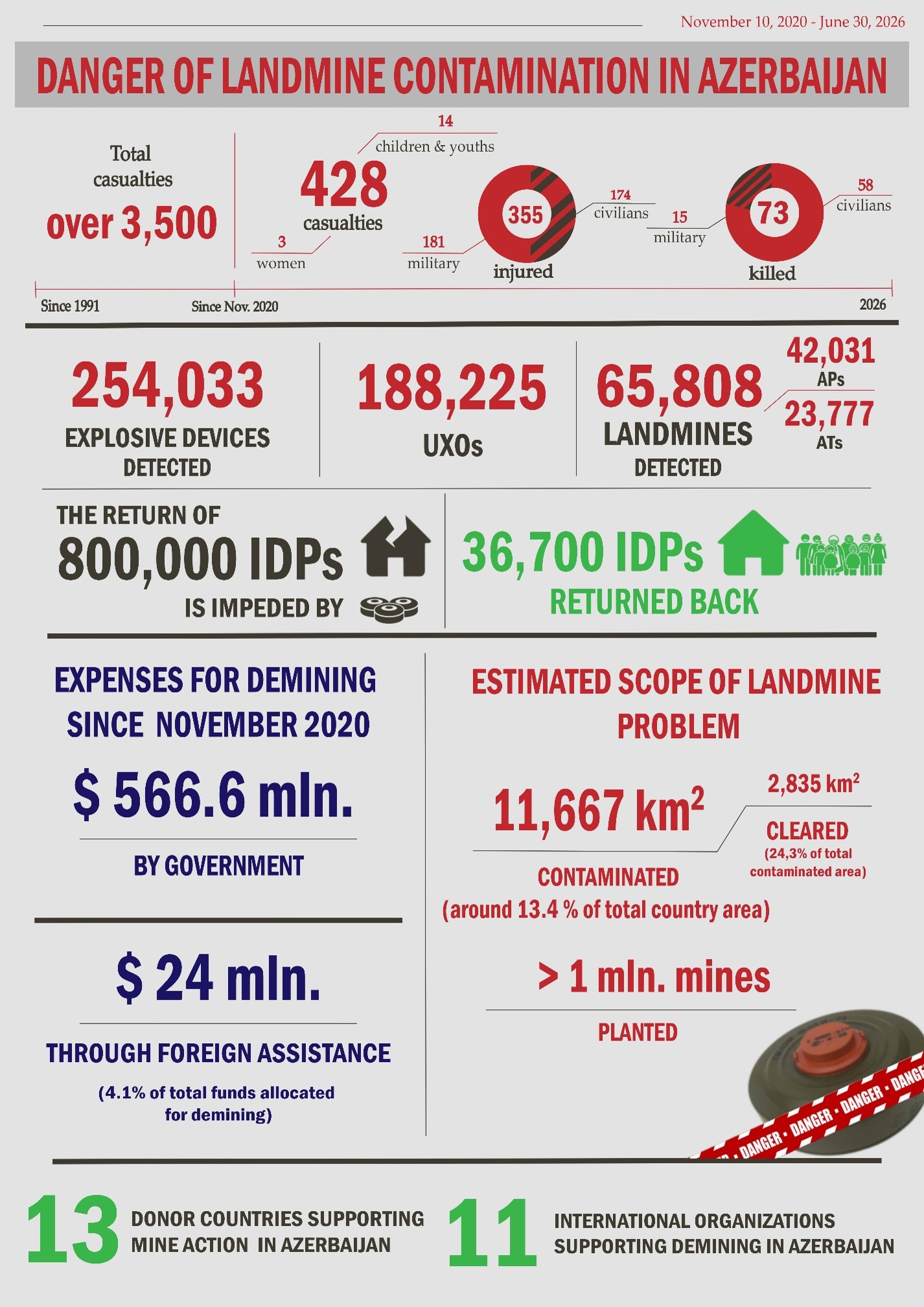
According to the latest survey data, contaminated land across Azerbaijan’s liberated territories spans approximately 11,667 square kilometres — more than 13.4 percent of the country’s total area of 86,600 square kilometres. Buried beneath this land are over one million landmines, alongside an unquantified volume of explosive remnants of war (ERW), placing Azerbaijan among the most heavily mine-affected countries on earth.
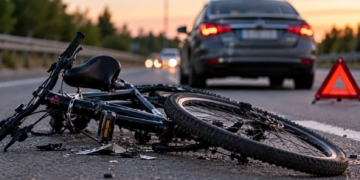
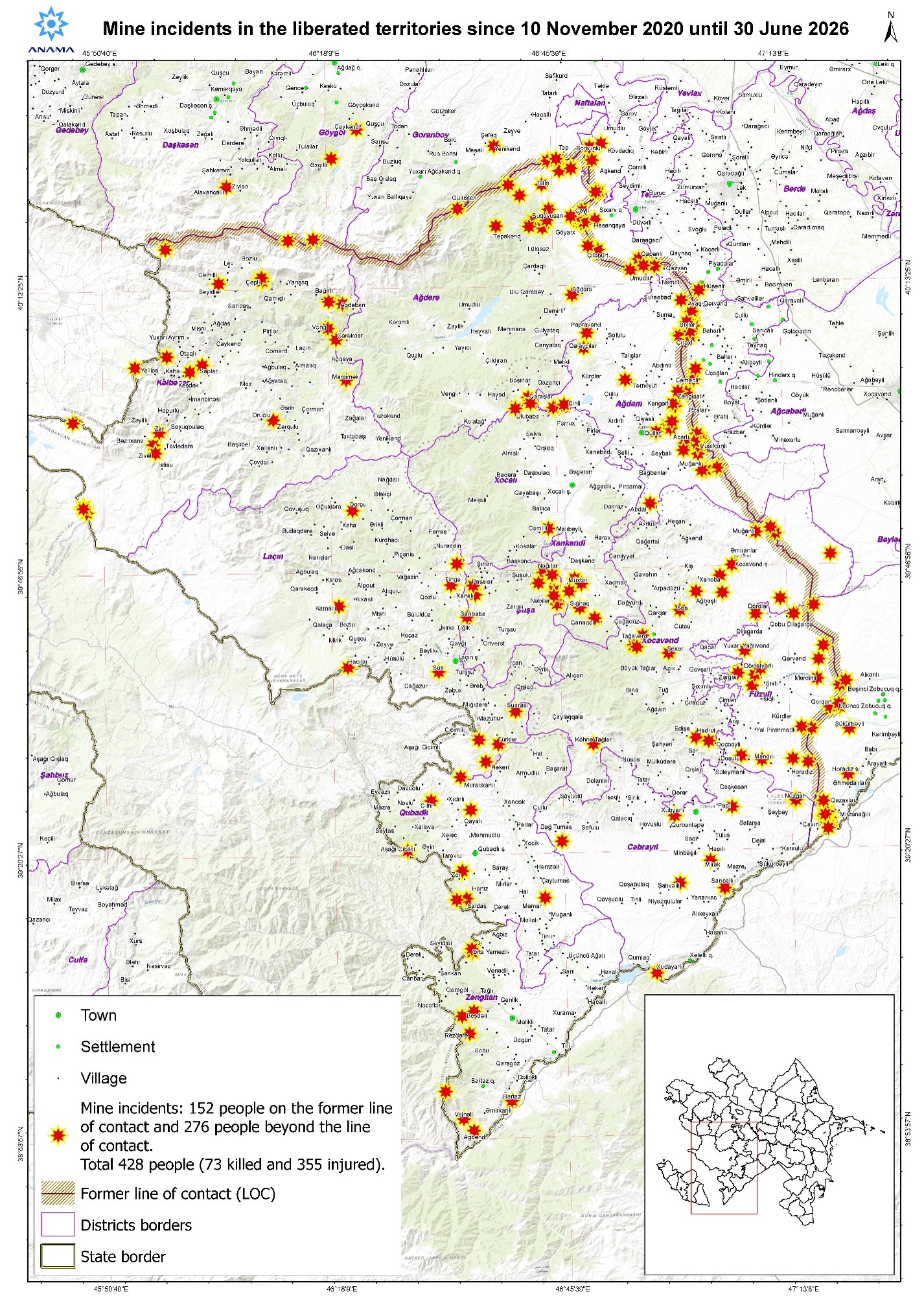
The human cost has been severe and continuing. Between the end of the war in 2020 and 30 June 2026, 265 landmine explosion incidents were recorded, killing or maiming 428 people, among them children and women. Over the past three decades, the cumulative number of landmine victims in Azerbaijan has surpassed 3,500 — a toll that speaks not to a historical tragedy, but to an ongoing emergency.
Rebuilding on Dangerous Ground
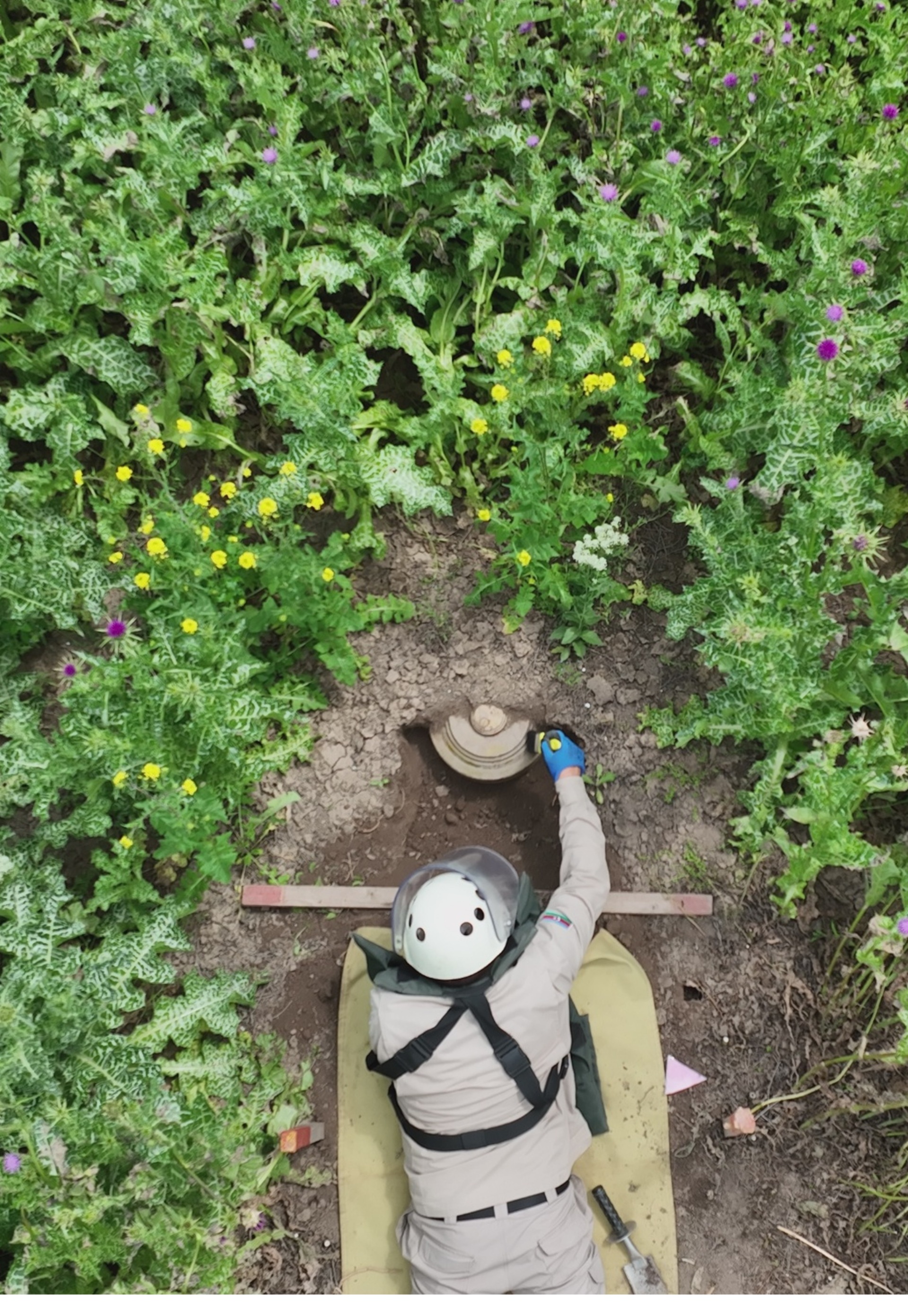
Since 2020, Azerbaijan has undertaken a large-scale humanitarian demining programme aimed at restoring safety to its liberated territories, enabling reconstruction, and paving the way for the return of former internally displaced persons (IDPs) to their ancestral homes. Yet this effort has been carried out largely on Azerbaijan’s own resources: foreign assistance has accounted for only 4.1 percent of the funding dedicated to demining — a strikingly modest figure given both the scale of contamination and the levels of support the international donor community has historically extended to comparable crises elsewhere.
Compounding the challenge, Armenia has failed to provide accurate and complete maps of the minefields it laid across Azerbaijani territory during the years of occupation. This lack of cooperation continues to slow clearance operations and delays the return of some 800,000 former IDPs to their homes and communities.
A Call for International Solidarity
Azerbaijan views the landmine legacy not merely as a technical or humanitarian issue, but as a direct impediment to genuine peace and regional reconciliation. Given the scale of the humanitarian impact, Azerbaijan looks to its international partners for both political and practical support — as an expression of human solidarity in addressing a problem that, left unresolved, will continue to endanger civilian lives for years to come.
Azerbaijan calls on its partners to:
- Speak out — issue statements of solidarity with Azerbaijan and condemn Armenia’s widespread and indiscriminate emplacement of landmines as part of its illegal use of force against Azerbaijan’s territorial integrity.
- Invest directly — given Azerbaijan’s already well-developed institutional capacity and training frameworks, direct financial contributions represent the most effective way to expand the scope and pace of clearance operations.
International demining norms — reflected in frameworks such as the Anti-Personnel Mine Ban Convention and the work of organisations including the UN Mine Action Service — recognise that clearance is not solely a technical undertaking but a precondition for durable peace, economic recovery, and the restoration of basic human rights, including the right to return home. Azerbaijan’s demining agency, ANAMA, has built substantial operational experience since 2020, but the scale of contamination in the liberated territories exceeds what national resources alone can resolve within a reasonable timeframe.
For the hundreds of thousands of Azerbaijanis still awaiting the chance to return to their homes, and for the communities already rebuilding amid continuing danger, the pace of demining is not an abstract policy question — it is a matter of daily survival. Azerbaijan’s appeal to the international community is, at its core, a call to match words of solidarity with concrete, sustained action.